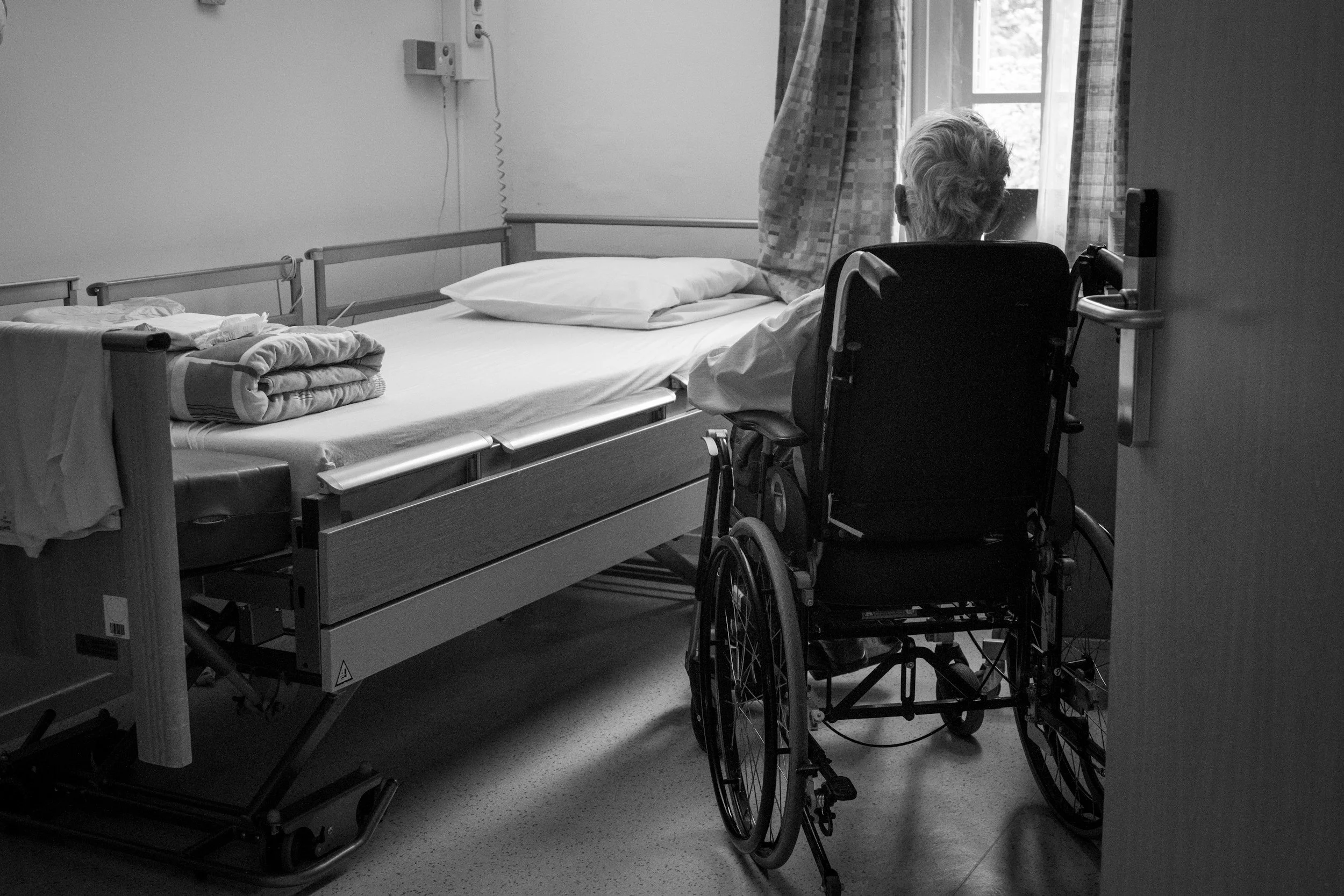

Warning Signs of Elder Abuse in Nursing Homes and Care Facilities
Placing a loved one in a nursing home, assisted living facility, or other care environment is one of the most difficult decisions a family can make. Families trust that caregivers will provide safe, attentive care and protect the dignity of vulnerable seniors and dependent adults.
Unfortunately, elder abuse and neglect in care facilities is more common than many families realize. Abuse can occur in nursing homes, assisted living communities, residential care facilities for the elderly (RCFEs), hospitals, and home health environments.
Recognizing the warning signs of elder abuse early can help families intervene quickly and protect their loved ones from further harm.
Below are some of the most common indicators that a senior or dependent adult may be experiencing abuse or neglect in a care facility.
Concerned About a Loved One’s Safety?
If you believe a loved one may be suffering elder abuse or nursing home neglect, contact Rome Law Group now to speak with a member of our team.
Call now for a free and confidential case evaluation, and there is no fee unless we win.
Multilingual Legal Services: Our staff is fluent in English, Spanish, Italian, and Brazilian Portuguese.
Se habla español Si parla italiano Falamos português
Physical Signs of Elder Abuse or Neglect
Physical injuries are often the first visible warning signs that something may be wrong.
Common physical indicators include:
Unexplained bruises, cuts, burns, or fracture
Frequent falls or repeated injuries
Bedsores (pressure ulcers) that develop from prolonged immobility
Sudden weight loss, malnutrition, or dehydration
Poor hygiene or unsanitary conditions
Signs of physical restraint, such as marks on wrists or ankles
Untreated infections or worsening medical conditions
Many of these injuries are preventable with proper supervision and care, and their presence may indicate neglect by facility staff.
Behavioral and Emotional Warning Signs
Changes in a loved one’s behavior can sometimes reveal abuse even when physical injuries are not obvious.
Possible warning signs include:
Withdrawal from social activities
Fearfulness around certain staff members
Sudden anxiety or agitation
Depression or emotional distress
Uncharacteristic aggression or silence
Reluctance to speak openly when staff are present
Individuals suffering abuse may be too afraid, ashamed, or cognitively unable to report what is happening, which makes behavioral changes especially important to notice.
Environmental Warning Signs in Care Facilities
Sometimes the conditions of the facility itself can reveal neglect.
Families should watch for:
Dirty rooms or unsanitary living conditions
Strong odors or signs of poor hygiene
Cluttered hallways or unsafe walking conditions
Poor lighting or broken equipment
Lack of staff supervision
Residents left unattended for long periods
Many elder abuse cases are linked to chronic understaffing, where facilities fail to provide enough caregivers to safely monitor residents.
Signs of Financial Exploitation
Elder abuse can also involve financial exploitation, where caregivers or others take advantage of a resident’s vulnerability.
Warning signs may include:
Unexplained withdrawals from bank accounts
Missing money or valuables
Sudden changes to wills or legal documents
Unauthorized credit card charges
New financial accounts opened in the resident’s name
Financial abuse can occur alongside other forms of neglect or exploitation.
What To Do if You Suspect Elder Abuse
If you believe a loved one may be experiencing abuse or neglect in a nursing home or care facility, taking action quickly can help protect them from further harm.
Families should consider the following steps:
Document any signs of abuse, including photographs and written notes
Speak with your loved one privately about their experiences
Report concerns to facility administrators and request explanations
File complaints with the appropriate state agencies, such as the California Department of Public Health or Adult Protective Services
Consult an elder abuse attorney to understand your legal options
Investigating abuse in care facilities often requires reviewing medical records, staffing logs, incident reports, and other documentation.
Protecting the Rights and Dignity of Vulnerable Seniors
Elder abuse cases often arise when nursing homes, assisted living facilities, hospitals, or home health providers fail to meet the basic standards of care required under California law.
Recognizing the warning signs early is one of the most important steps families can take to protect vulnerable seniors and dependent adults. If you suspect nursing home abuse, it’s important to take immediate action to protect your loved one.
If you are concerned that a loved one may be experiencing abuse or neglect, seeking legal guidance can help determine what options may be available to ensure their safety and accountability for those responsible.
Concerned About a Loved One’s Safety?
If you believe a loved one may be suffering elder abuse or nursing home neglect, contact Rome Law Group now to speak with a member of our team.
Call now for a free and confidential case evaluation, and there is no fee unless we win.
Multilingual Legal Services: Our staff is fluent in English, Spanish, Italian, and Brazilian Portuguese.